
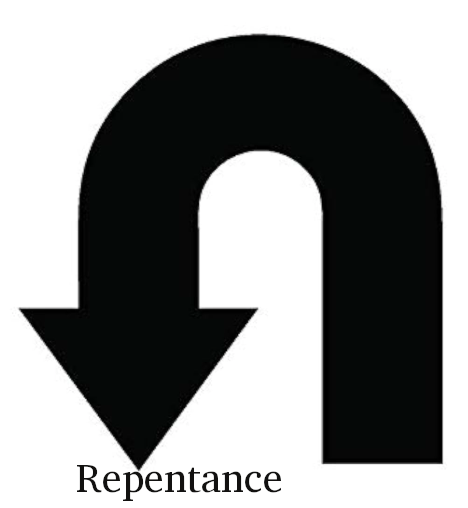
The Book of Jonah is not just a story about a fish. It is a story about a runaway prophet, a wicked city, and a merciful God. Jonah wanted judgment. God wanted repentance. Jonah preached reluctantly. Nineveh repented completely.
Jonah 3:10 reveals one of the most powerful truths in Scripture: God responds to genuine repentance. “Then God saw their works, that they turned from their evil way; and God relented from the disaster that He had said He would bring upon them, and He did not do it.” — Jonah 3:10, ESV
This verse shows us the heart of God toward sinners. God is watching humanity. Hebrews 4:13 says: “Nothing in all creation is hidden from God’s sight. Everything is uncovered and laid bare before the eyes of him to whom we must give account.” Nineveh was not hidden. Their violence was not secret. Their corruption was not ignored. God saw their sin, their pride, their cruelty.







But now — God also sees something new. He sees repentance. The Ninevites did not merely say, “We are sorry.” But they acted. They showed their repentance by their actions. “Then God saw their works…” Repentance became visible. True repentance always produces change. The Bible declares: Faith without works is dead. God is not impressed by religious talk without transformation.
Many people today say: “I believe.” “I go to church.” “I pray sometimes.” But God asks: Has your life changed?Because God sees private habits, hidden attitudes, secret sins, and genuine surrender, nothing fools Him.
True Repentance means changing, turning from evil and coming to God in obedience. The Ninevites had turned from their evil way, and God saw that. Repentance in Scripture means turning around. Not feeling bad. Not temporary emotion. Not fear of consequences. Repentance is a change ofdirection. Nineveh did three things:
- They Heard the Word of God. Jonah preached only eight words: “Yet forty days, and Nineveh shall be overthrown.” No music. No miracles. No emotional appeal. Yet the city believed God. The power was not Jonah — the power was God’s Word. Every Christian, preacher in particular, should remember this and not try to go beyond what is written (1 Corinthians 4:6)
- They Humbled Themselves. From king to servant, everyone repented. The king removed his robe and sat in ashes. (Jonah 3:6). True revival always begins with humility. Pride resists God. Humility invites mercy. As James 4:6 reminds us: “God opposes the proud but shows favor to the humble.”
- They Changed Their Behaviour. The verse says: “They turned from their evil way.” They stopped violence. They abandoned wickedness. They corrected injustice. Repentance is proven by transformation. God is not asking for perfection. He is asking for change of direction. Are you moving toward sin — or toward God?
Here we see the astonishing mercy of God. “…and God relented from the disaster…” Nineveh deserved judgment. Yet judgment was stopped. Why? Because repentance activates mercy. In Ezekiel 33:11 God declares: “I take no pleasure in the death of the wicked, but rather that they turn from their ways and live…” God does not delight in punishment. He delights in salvation. We must understand though that God’s character did not change. The people changed. Judgment was conditional. Mercy followed repentance. God remains holy enough to judge, and loving enough to forgive.
God’s response to repentance today is the same. Nineveh was violent, morally corrupt, and deserving destruction. Yet God forgave them. If God forgave Nineveh, no one who is truly repentant of their sins and obeys God’s will is beyond God’s mercy. Neither your past, your failures, your secret struggles, your years away from God can keep you away from God’s mercy if you humbly repent and obey. The message of Jonah points forward to Jesus Christ. Jesus Himself said: “The men of Nineveh will rise up in judgment… because they repented at the preaching of Jonah; and indeed, a greater than Jonah is here.” Matthew 12:41.
We can learn a lot from the story of Jonah. For example, it teaches us that God notices repentance and that God is ever ready to show his mercy to the humble. “God opposes the proud but shows favor to the humble.” James 4:6.Repentance can change a future. Nineveh’s destiny changed. What was announced as destruction became preservation. God can rewrite a life story.
Another key lesson for us is that Mercy is available now and that we should act as wisely as the Ninevites did. They understood the urgency and repented immediately. The greatest tragedy is not sin — it is refusing to turn back to God.
A Personal Question – Imagine standing before God today. What would He see? Religious activity? Good intentions? Or a heart that has truly turned? Jonah 3:10 teaches: God responds not to appearance but to repentance. The message of Jonah is ultimately the Gospel message: Judgment is real. Sin has consequences. But mercy is offered. Through Jesus Christ, God extends grace. The cross declares that God would rather forgive than condemn. But forgiveness requires repentance and complete obedience.
So, today is your Nineveh moment. Turn from sin. Turn toward God. Turn while mercy is available. Because when God sees true repentance, He restores, He forgives, He spares, He saves.
Toronto, ON