
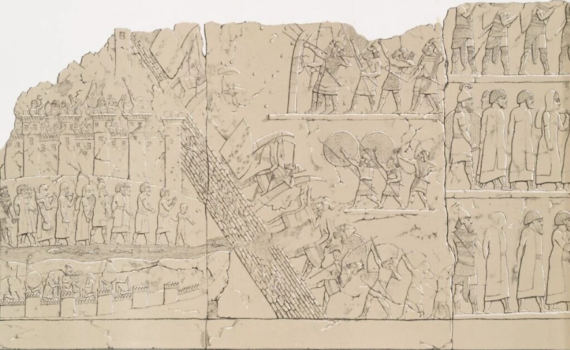
The Bible teaches us that God is love. He is compassionate, merciful, and slow to anger. Unfortunately, some people mistakenly take this to mean that God cannot and will never punish anyone. Yet the same Bible teaches that God is holy, righteous, and just—and that He will ultimately judge wickedness.
The book of Nahum gives us a sobering picture of this truth. The prophet Nahum announces the coming destruction of Nineveh, the great capital of the Assyrian Empire.
What makes the story especially interesting is that Nineveh had previously experienced God’s mercy. In the book of Jonah, God sent Jonah to Nineveh with a warning: “Forty more days and Nineveh will be overthrown.” (Jonah 3:4). The people repented. “When God saw what they did and how they turned from their evil ways, he relented and did not bring on them the destruction he had threatened (Jonah 3:10). But approximately a century later, Nineveh had returned to its wicked ways. The city that had once repented had become a city characterized by violence, oppression, deceit, cruelty, and arrogance. Nahum therefore announces: “Woe to the city of blood, full of lies, full of plunder, never without victims!” —Nahum 3:1 NIV

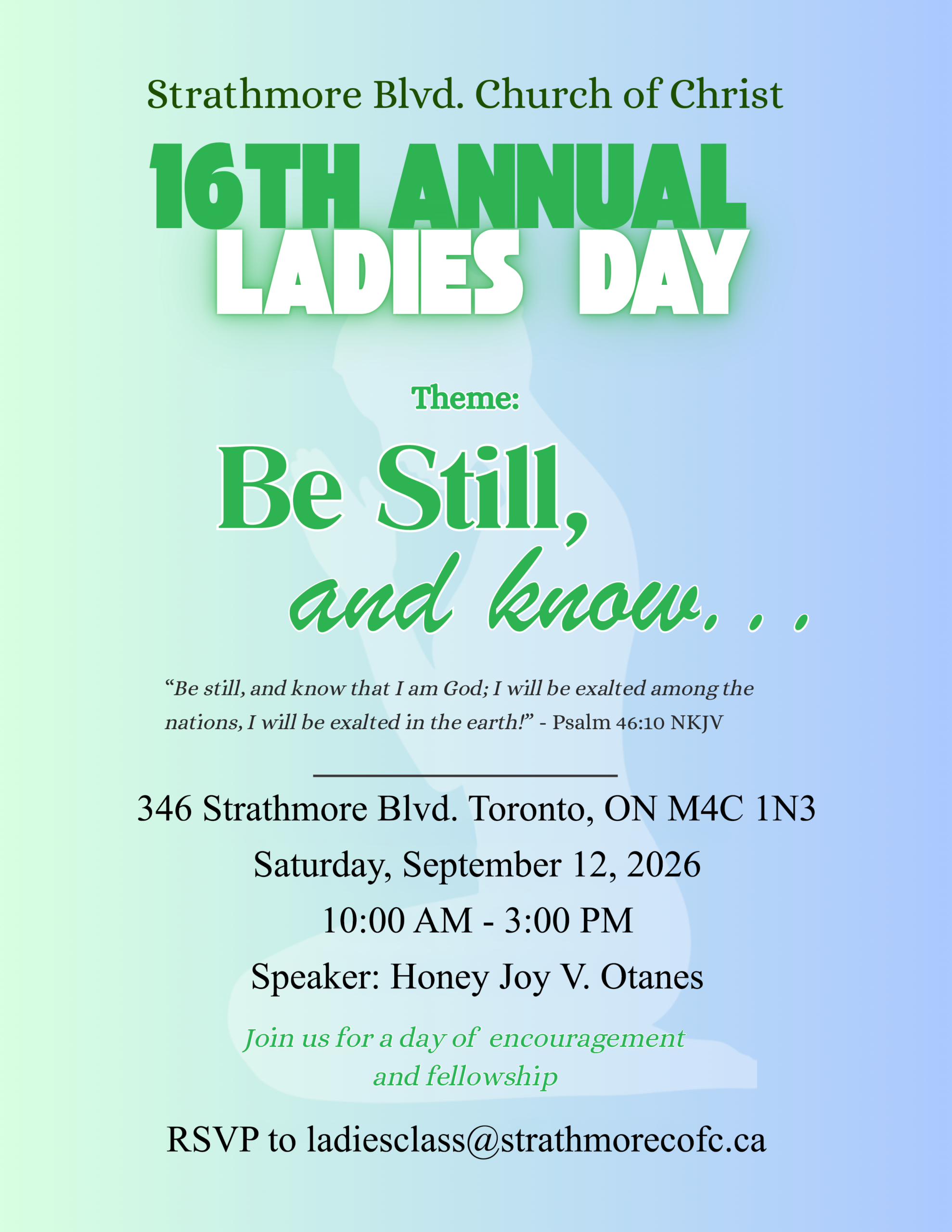
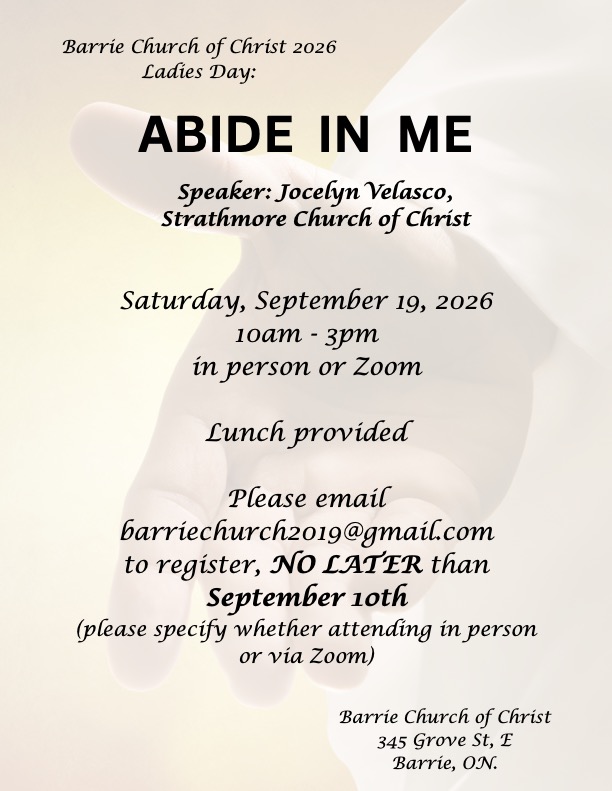






God’s judgment did not come without warning. It came after repeated opportunities for repentance. And Nahum 3:1–7 shows us why God was justified in bringing judgment upon Nineveh.
- The first description of Nineveh is devastating: “The bloody city.” Nineveh was not merely a city that occasionally experienced violence. Violence had become part of its identity.
- The Assyrian Empire was notorious for military conquest and brutality. Nations were conquered, populations were displaced, and people were subjected to cruel treatment.
- Nineveh had become powerful, but its power was being used for oppression. Human beings may overlook injustice. Governments may ignore it. Powerful people may escape human courts. Victims may die without ever seeing justice in this life. But God sees.Psalm 11:7 says: “For the Lord is righteous, he loves justice; the upright will see his face. And Genesis 18:25 asks: “Will not the Judge of all the earth do right?”
The answer is yes. He will.
God is the Judge of all the earth. Power does not make wickedness acceptable. Nineveh was powerful. Nineveh was wealthy. Nineveh was influential. But none of those things could protect it from God’s judgment. The world often measures success by wealth, military strength, political influence, buildings, territory, reputation.
God measures differently. He looks at the heart. He looks at righteousness. He looks at how people treat one another. God sees the deception of wickedness. Nahum describes Nineveh as: “full of lies and full of plunder.”
Notice the combination. There was violence externally and deception internally. Nineveh did not merely conquer through military strength. It also operated through manipulation, dishonesty, and exploitation. God hates deception. God is truth. Jesus said: “I am the way, the truth, and the life.”(John 14:6). Therefore, everything that belongs to God is characterized by truth. When deception becomes a lifestyle, it is not merely a social problem. It becomes a spiritual problem. Proverbs 6:17 says that God hates a lying tongue, and Nineveh was “full of lies.” (Nahum 3:1)
Not only was Nineveh full of lies and robbery, Nineveh was not satisfied. It continually consumed other nations. Its appetite for conquest and domination seemed endless. Nahum describes Nineveh like a predator continually taking its prey. One of the clearest marks of sinful human nature is the temptation to exploit those who cannot defend themselves. The powerful take advantage of the weak. The wealthy exploit the poor. The influential manipulate the vulnerable. The strong intimidate the powerless. But Scripture repeatedly tells us that God cares about the oppressed.
Psalm 12:5 says: “Because the poor are plundered and the needy groan, I will now arise,” says the Lord.
Thus, God hears the sighing of the oppressed. He is not indifferent to injustice. Sometimes we wonder: “Why doesn’t God stop this?” Nahum reminds us that God’s apparent delay is not God’s indifference. There is a difference between: God delaying judgment and God abandoning justice. God may delay. But He does not forget. People sometimes interpret God’s patience as permission. Nineveh made that mistake, and God acted accordingly.
Nineveh’s destruction was not an act of arbitrary cruelty; it was God’s righteous judgment upon a city that had repeatedly practiced violence, deception, oppression, and spiritual corruption. God’s judgment was a response to persistent rebellion.
This is one of the most important principles in understanding Nineveh. We must remember the book of Jonah. Nineveh had already received a warning. God had already demonstrated mercy. The people had already experienced an opportunity to repent. Yet the later history of Assyria demonstrates that the repentance did not result in lasting transformation.
Jonah shows God’s mercy. Nahum shows God’s justice.These are not contradictory. They reveal two sides of the same holy God. God is merciful when sinners repent. God is just when sinners persist in rebellion. Romans 2:4 says: “Or do you show contempt for the riches of his kindness, forbearance and patience, not realizing that God’s kindness is intended to lead you to repentance?” God’s patience has a purpose: to lead us to repentance. But when people repeatedly reject His mercy, judgment becomes inevitable.
Just as the Ninevites were expected to repent and turn to God, so are we. And 2 Corinthians 6:2 advises us not to delay:” I tell you, now is the time of God’s favour, now is the day of salvation.” Not tomorrow. Not someday. Today.
Toronto ON