
Introduction
Scripture reveals one of the most profound and glorious truths ever known to humanity: God defeats evil not merely by raw power, but by perfect, unsearchable wisdom. The sovereignty of God is so complete, so holy, and so absolute that He is able to turn the very schemes of Satan into the instruments of Satan’s own defeat.
The Bible declares this without hesitation.
1 John 1:5 proclaims, “God is light, and in Him is no darkness at all.”
James 1:13 affirms, “God cannot be tempted by evil, nor does He Himself tempt anyone.”







God is not the author of evil. He does not need evil, and He is never stained by it. Yet though untouched by sin, God is never threatened by it. Satan has never surprised Him. Demons have never forced Him to revise His plans. The Almighty has never looked over His shoulder to check the movements of hell.
Instead, Scripture consistently reveals a divine pattern: God allows evil to expose itself, and then He turns it into the stage upon which His glory is most clearly displayed.
Genesis captures this truth with clarity in Genesis 50:20:
“You meant evil against me, but God meant it for good.”
This reality reaches its climax at the cross of Jesus Christ. There, Satan’s greatest strategy became God’s greatest victory. At Calvary, the enemy—by his own hand—signed his own defeat.
God’s Holiness and the Reality of Evil
To understand Satan’s downfall, we must first understand the holy character of God and the true nature of evil. Scripture testifies that God is perfectly righteous, without shadow or compromise. Sin did not originate in God, but in created beings—angels who fell from glory and humans who rebelled against their Maker. Evil is always the result of a creature lifting its will against the will of God.
Yet although evil arises outside of God, it never operates outside His sovereignty.
Scripture provides repeated examples of human wickedness that God overruled without ever approving of the evil itself. These examples are not merely historical records; they are revelations of how God governs even in a fallen world.
Pharaoh’s Pride — When Arrogance Meets the Almighty
Israel’s bondage in Egypt was upheld by Pharaoh’s pride. He believed himself untouchable, yet God declared His purpose plainly in Exodus 9:16:
“For this purpose I have raised you up, that I may show My power in you, and that My name may be declared in all the earth.”
Pharaoh hardened his heart, but his arrogance only magnified God’s power when Israel was delivered through signs and wonders. His pride collapsed under its own weight.
Nebuchadnezzar’s Arrogance — The King Who Became a Beast
Nebuchadnezzar stood atop the Babylonian empire boasting, “Is not this great Babylon that I have built by my mighty power?” (Daniel 4:30). Yet God humbled him until he lived like an animal, stripped of his glory, until he confessed that “the Most High rules in the kingdom of men.” His downfall was the fruit of his own pride.
Judas’s Greed — The Betrayal That Opened the Door of Salvation
Judas Iscariot loved money in secret. For thirty pieces of silver, he betrayed the Lord. Scripture states plainly, “Satan entered Judas” (Luke 22:3). Yet Acts 2:23 declares that Christ was delivered “by the determined purpose and foreknowledge of God.” Judas committed evil, but God used the consequences of that evil to bring salvation to the world.
The Pharisees’ Jealousy — Fear of Losing Power
Religious leaders plotted against Jesus out of fear and jealousy, declaring, “If we let Him alone, everyone will believe in Him” (John 11:48). Yet even their scheme fulfilled prophecy, for Scripture tells us they unknowingly declared God’s redemptive plan.
The pattern is unmistakable:
God did not cause the evil—but He overruled it.
He did not approve of the sin—but He governed its consequences.
These accounts are mirrors held before every generation. Pride, self-reliance, hidden sin, and fear of losing control still ensnare human hearts. Yet the same God who redeemed the consequences of their failures remains able to redeem ours today.
Satan’s Scheme and the Hidden Wisdom of God
Satan’s mission has always been to oppose God, deceive humanity, and destroy the work of the Son. When Jesus walked among men, the enemy intensified his assault. Satan worked through Judas, through the Pharisees, through the crowds, and through Rome itself.
The crucifixion appeared to be Satan’s masterpiece.
Yet the apostle Paul unveils the mystery in 1 Corinthians 2:7–8:
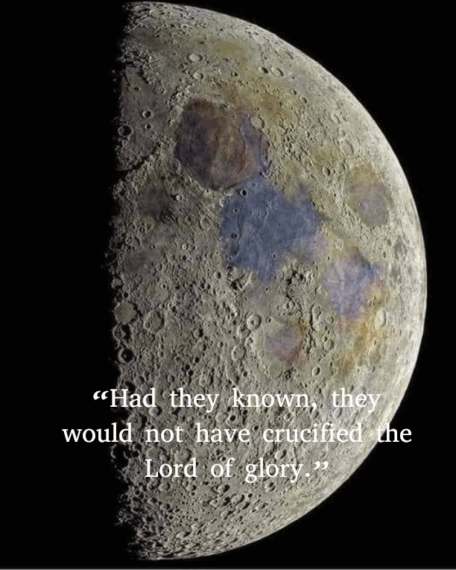
“Had they known, they would not have crucified the Lord of glory.”
The powers of darkness did not know that the cross would destroy them. They did not know that Christ’s death would unleash resurrection power. In their blindness, they executed the very plan that dismantled their kingdom.
Satan still schemes today, but he does so from a position of defeat. If he could not stop Christ’s mission, he cannot stop God’s purpose in the life of a believer. The enemy’s power is real—but it is not ultimate.
The Self-Defeat of Satan at the Cross
Here lies the heart of the gospel: Satan was not only defeated by God—he was defeated by his own weapon.
Death was Satan’s instrument. Christ entered death and shattered it from within.
Hebrews 2:14 declares that Christ destroyed “him who had the power of death, that is, the devil.”
Colossians 2:15 proclaims that Christ “disarmed principalities and powers… triumphing over them in the cross.”
Satan dug the grave. Christ stepped in—and walked out victorious.
What the serpent intended in Genesis—to strike the heel of the Messiah—became the moment his own head was crushed. The cross stands not only as God’s triumph, but as Satan’s self-destruction.
God’s Moral Integrity and the Security of the Saints
God remains holy even as He conquers evil. He permits evil within boundaries, restrains it according to His will, and redirects its consequences to fulfill His righteous purposes.
For believers, this truth anchors the soul. If God turned the darkest moment in history into the brightest victory, then no scheme of hell can overturn His decree.
Romans 8:31–32 reminds us:
“If God is for us, who can be against us?”
God works all things together for good for those who love Him. No trial is wasted. No suffering is meaningless. What the enemy intends for harm, God redeems for glory.
Conclusion
As Dostoevsky observed, “The darkest the night, the brightest the star.” The cross reveals God’s glory precisely where darkness seemed most victorious. Satan’s darkest hour became the moment of his eternal defeat.
Evil cannot win.
Darkness cannot triumph.
Satan cannot overthrow the purposes of God.
What the enemy meant for destruction, God meant for redemption.
What Satan intended for victory, God turned into everlasting defeat.
Satan stands before the universe as a defeated foe—undone by his own schemes, shattered by his own weapon, ruined by his own rebellion.
But God—glorious in holiness, magnificent in wisdom, and matchless in sovereignty—stands forever victorious.
To Him be glory, dominion, and praise, now and forevermore.
Amen and Amen.