
March 3, 2026
We have been in Zambia a little over a month now. Thayer is about half-way through his teaching at George Benson Christian University. The work was a bit overwhelming at first. There are so many aspects of the work here that it is confusing for a newcomer – or even for people returning here after a long absence.
There is the secondary school, which was the featured program here from 1966 until the late 1980s. Now, there is also the university, which trains both nurses and teachers. Those training as teachers are divided into two groups – those seeking a basic certification to be teachers (a diploma, normally a three-year program) and those seeking a degree (five to six years). There is also a hospital and a radio station. It has taken us most of the last month to figure out who is who. And there is also a farm.





The farm came about because the earliest missionaries here needed to eat. They had grown up on farms, and during the colonial era they were allowed to farm here or engage in various kinds of business. That was helpful when the Depression dried up most of the funds coming to them from the States. Many of the early missionaries bought farms in this area and survived by means of farming. As they retired, most of them donated their farms to the work. Selling the land would not have raised much money, and the secondary school students have healthy appetites, so it seemed better to use the farmland to raise food for the school.
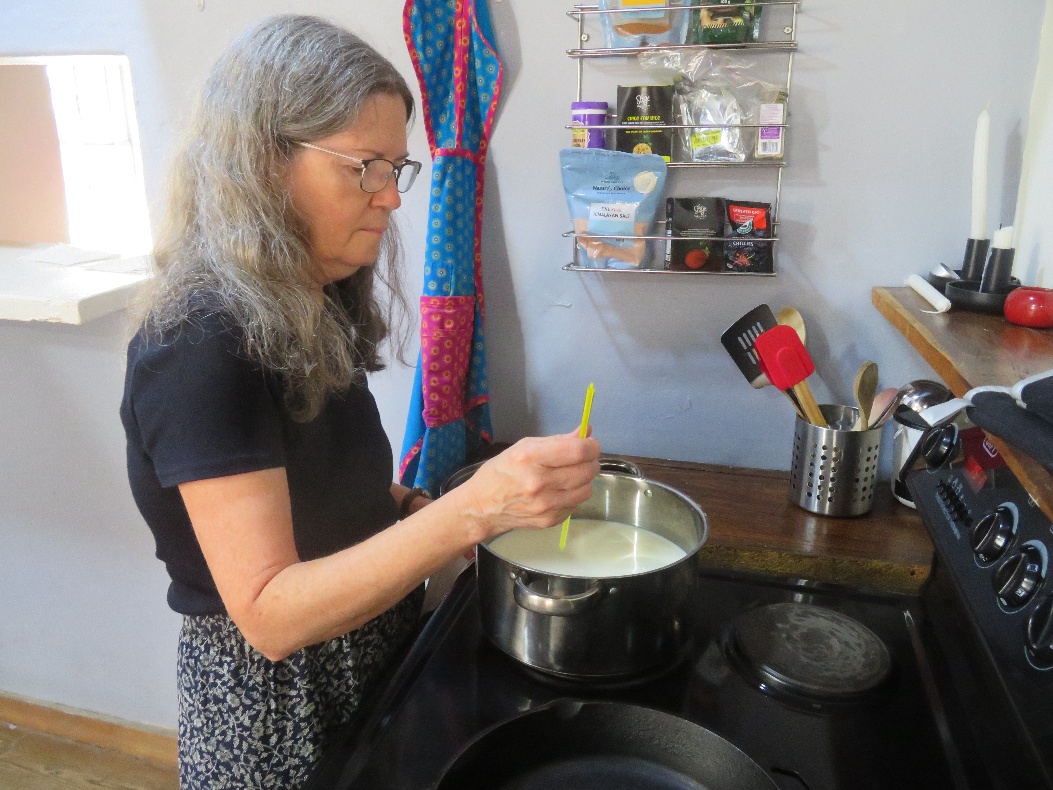
We get milk and occasionally vegetables from the farm. When we worked here in 1990, milk from the farm was the only milk available. There were no supermarkets. Now there is a supermarket, Choppies, in Kalomo. One could buy ultra-pasteurised milk there, but we have chosen to buy milk fresh from the Namwianga cows. We get a half gallon for 20 Kwatcha (about a dollar). A chemical thermometer tells us when it is at the correct temperature for pasteurisation. Then it can be made into yoghurt or chilled for drinking and other uses. It is a bit of trouble, but it is excellent.
Teaching
Teaching in Africa is like teaching anywhere. Not every student is a genius. Perhaps it was driving through Botswana that led me to the following comparison. Teaching is like diamond mining; one must deal with rocks to get at the gems. But we expect to find some gems. The visit here has certainly shown us that gems have been found in the past.
Richard Musoro was our student more than 20 years ago. He has earned his living as a clerk in a government office. But he preaches for one of the larger churches in the area.
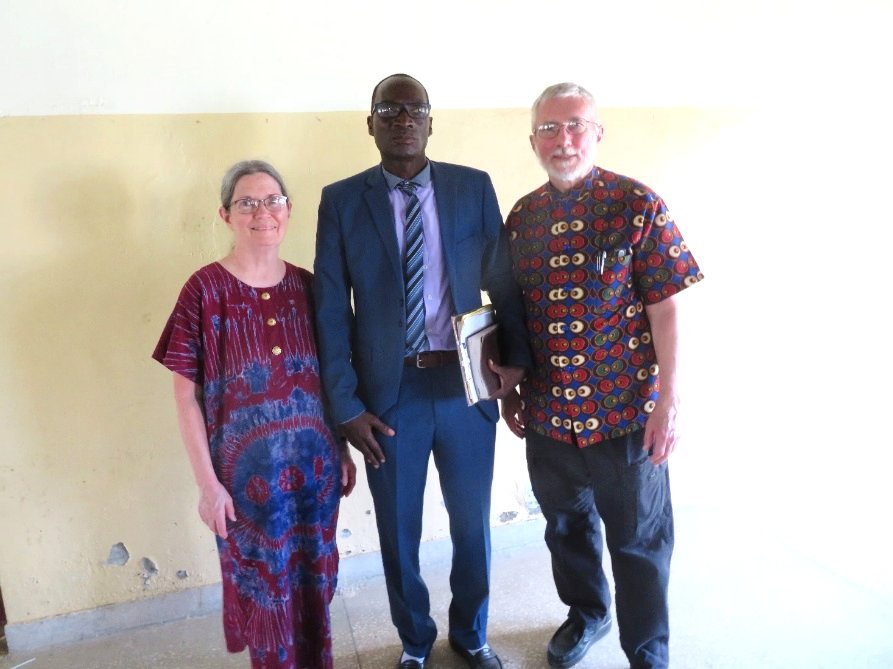
Then there is Osbert Siamisindo, a recent graduate of the nursing program.

Osbert has not yet been placed with a hospital. He stays busy helping with anything and everything here on campus – teaching Bible classes and helping us find our way around. A real gem. Today (1 March), we travelled with Osbert to Zimba, about a 90-minute drive. The church we visited in Zimba meets in a building that Americans might consider a fairly large classroom, suitable for about 50 or perhaps 75. There were 171 present. The singing was wonderful.
Then there is Justin Siandunda, another student from years gone by.
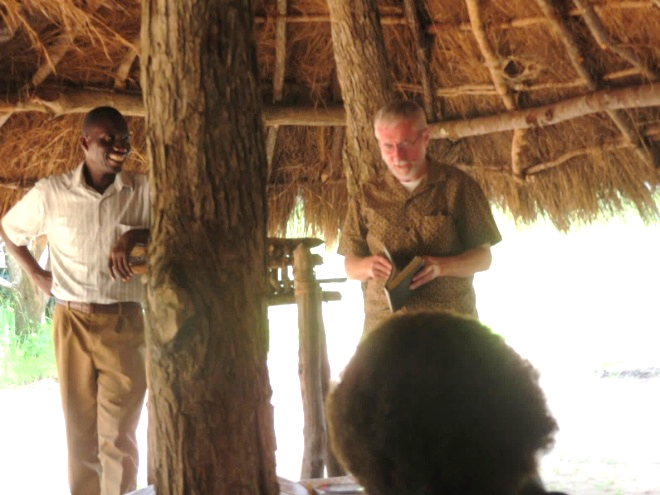
Justin (like a surprising number of our former students) is retired now. He helps the church in many ways, while farming to supplement his meagre retirement. Justin, and his wife, Royce, are also the host family for Sean, a Peace Corp volunteer from California. They have won Sean’s respect and been good for him.
And let us not forget Trevor Wamundila, who we saw last week. He was our student in 2002-2003. After graduation Trevor went through a very difficult time. We feared greatly for him, and for a time lost all touch with him. But he is now in Livingstone working on a Bible translation project.

The Second Plague
The first time we worked in Zambia was 1990. That year we stayed in a house infested with rats. We killed at least fifteen of them, a couple of mice, and one cobra as well. This time around we have not seen a single rat, nor any sign of them. There were some roaches when we first arrived, but then we began noticing some little frogs (or toads) around the house and the roaches quickly disappeared. While returning from worship Sunday, someone mentioned that frogs are somewhat like rats. If you have them in your house, the snakes are likely to come hunting the frogs. That made us wonder if we should be so welcoming to the frogs.
Then, on Monday, we found a large frog on the counter in the kitchen. When washing the supper dishes, we found a frog hiding in the silverware holder on the dish drainer.
Honestly, we don’t have any slaves and certainly no Israelite slaves. But we do have frogs. We are sure they will not last long. The rains will be ending soon. When that happens, the frogs will surely return to the rivers.
The work here is good. But we will be glad to get back to our frog-free home in Eswatini.
African Textbook Ministry, %Church of Christ, 5130 Flanders Road, Toledo, OH 43623
